
Collection of counting data
Accueil › Smart urban mobility › Collection of counting data
Traffic counting: data to optimize mobility and create suitable, safe roads
As mobility has undergone a metamorphosis, traffic counting has become a fundamental tool for local authorities to gain a clear and accurate view of traffic, adapt their infrastructure to user needs, improve safety, and support the transition to more sustainable modes of transport.
Controlling traffic flow
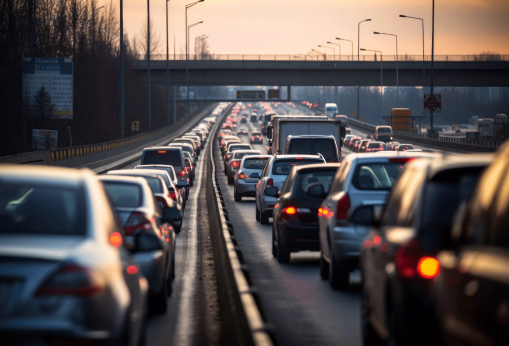
Analyzing traffic flow using road traffic counts provides crucial information about road user behavior. By measuring the number of vehicles traveling on a road segment at different times, local authorities can identify periods of congestion or, conversely, low traffic. The data collected, such as vehicle classification, speed, distance between vehicles, and arrival times, allows for the study of traffic trends over extended periods (days of the week, peak hours, seasonality). This information helps anticipate mobility needs, optimize road network management, and plan infrastructure.
Adapting the infrastructure
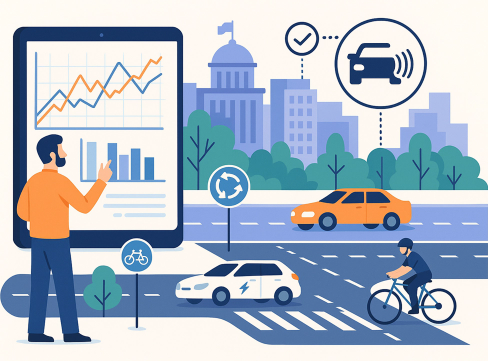
Thanks to the data collected, local authorities can better plan the maintenance and necessary investments in road infrastructure. For example, if data collected from a traffic count reveals high traffic volume on a specific road, this may justify the construction of a new lane, a roundabout, or the implementation of traffic management systems.
The count also makes it possible to monitor changes in traffic related to sustainable modes of transport, such as bicycles or electric vehicles. The data supports decisions regarding the development of cycle paths or the adoption of alternative transport solutions.
Optimizing road safety
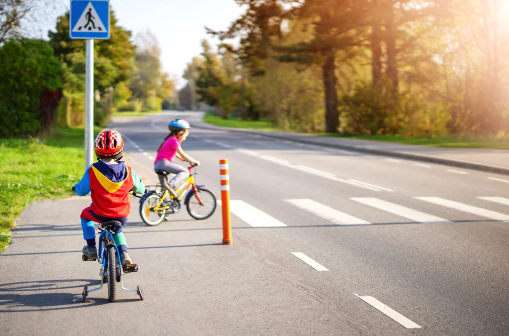
By analyzing traffic count data, local authorities can better identify areas with the highest number of accidents due to congestion or certain driving behaviors. This data allows them to implement new safety measures, such as speed cameras, traffic signs, etc.
Data collection also enables decisions to be made to improve traffic flow, such as intersection management or the creation of new lanes adapted to actual traffic needs. Finally, it contributes to improving the quality of life for road users.